Retatrutide Storage Temperature Guidelines
Reference notes on retatrutide storage temperature guidelines: lyophilized vial handling, reconstituted stability windows, and how listings phrase cold-chain terms.
Reviewed by Priya Nair, MD, physician, metabolic medicine ·
Priya Nair, MD is a physician with subspecialty training in metabolic disorders and obesity medicine, bringing over a decade of clinical practice expertise to educational content on investigational peptide therapeutics.
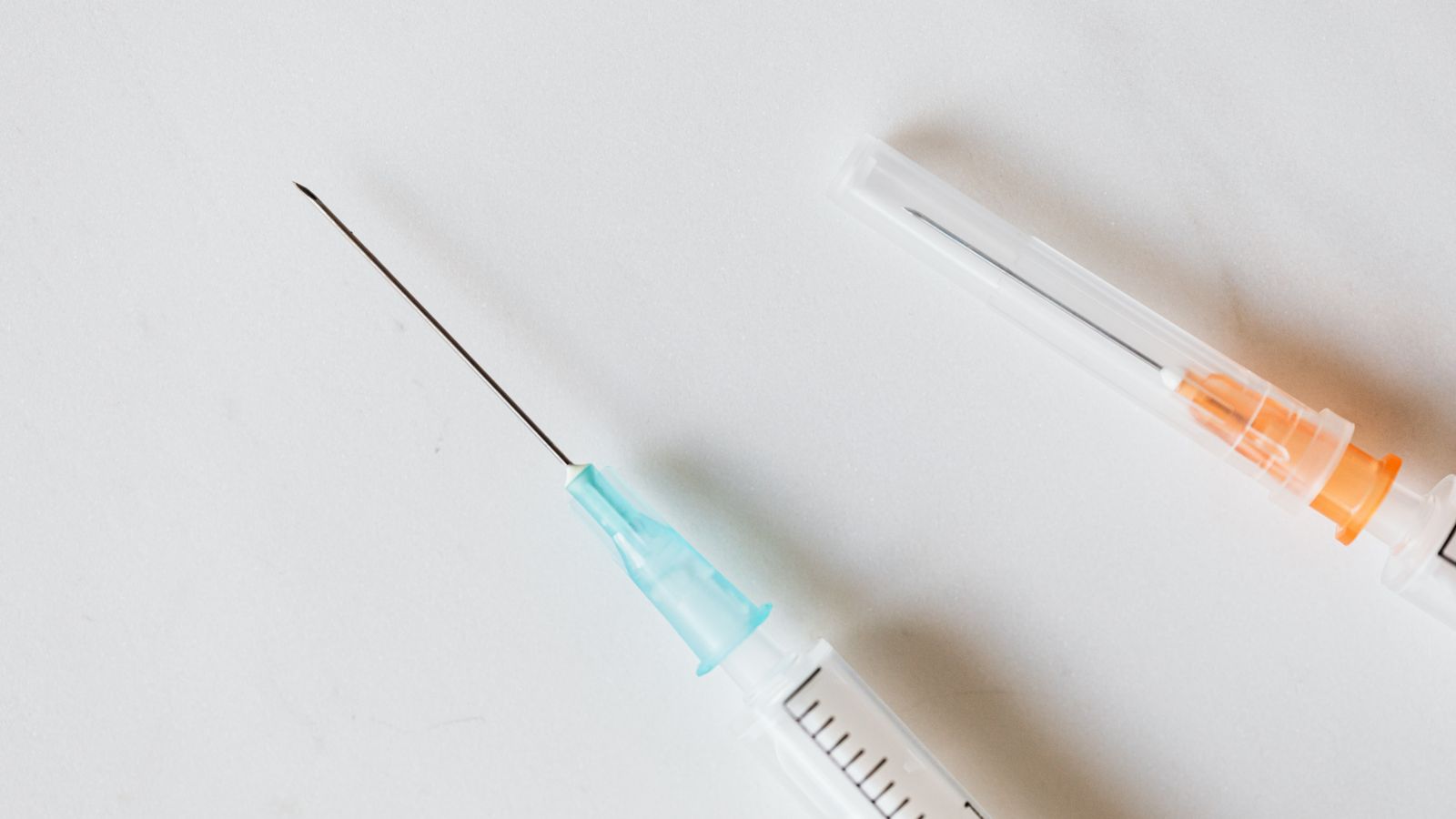
Retatrutide storage temperature guidelines generally split into two distinct phases: the lyophilized (freeze-dried) powder before reconstitution, and the liquid solution after bacteriostatic water has been added. Listings and certificates of analysis typically specify different temperature ranges for each phase, because the powder and the reconstituted solution degrade through different mechanisms.
Why the Two Phases Are Treated Differently
A lyophilized peptide is chemically more stable than the same peptide once it is dissolved. Water introduces hydrolysis as a degradation pathway, and dissolved peptides are more sensitive to thermal fluctuation, agitation, and light exposure than their freeze-dried form. This is why supplier documentation almost always lists a longer shelf reference for unreconstituted vials and a shorter one once diluent is added.
Lyophilized Vial Storage
Most retatrutide vial listings specify refrigerated storage, commonly in the 2°C to 8°C range, for unopened lyophilized powder. Some suppliers note that freezer storage is acceptable for longer-term holding prior to reconstitution, though repeated freeze-thaw cycling of the sealed vial before use is generally discouraged in supplier literature because condensation inside the vial can affect the powder once it is opened.
Key points that typically appear in storage documentation for the powder form:
- Keep the vial away from direct light; many peptide vials are amber or are stored in the original box for this reason.
- Avoid storage locations with frequent temperature swings, such as a refrigerator door.
- Confirm the vial seal is intact before storage — a compromised seal changes the assumptions behind any stated stability window.
Reconstituted Solution Storage
Once bacteriostatic water is added, the general reference range in supplier and research documentation narrows to refrigerated storage at 2°C to 8°C, with many listings citing a stability window measured in weeks rather than months. This is a qualitative relationship worth understanding rather than a fixed number to memorize: the reconstituted solution is not stable at room temperature for extended periods, and freezing a reconstituted solution is commonly listed as something to avoid, since freeze-thaw cycling can affect a dissolved peptide differently than it affects the powder.
The table below summarizes how these two phases are typically described in supplier and reference documentation.
| Form | Typical stated range | Typical stated duration | Common cautions |
|---|---|---|---|
| Lyophilized powder (sealed) | 2°C to 8°C (some list freezer-safe) | Longest stability window | Protect from light, avoid repeated freeze-thaw of sealed vial |
| Reconstituted solution | 2°C to 8°C | Shorter window, often weeks | Avoid freezing, avoid room-temperature storage, minimize agitation |
Reading Concentration Alongside Storage Notes
Storage documentation is often presented next to reconstitution figures, since both describe how a vial behaves over time. Concentration itself is a straightforward calculation: vial strength in milligrams divided by the milliliters of bacteriostatic water added gives milligrams per milliliter. For example, a 10 mg vial reconstituted with 2 mL of bacteriostatic water yields a concentration of 10 ÷ 2 = 5 mg/mL. Converting that to micrograms uses the standard 1 mg = 1000 mcg relationship, so 5 mg/mL is equivalent to 5000 mcg/mL. On a U-100 insulin syringe, where 1 mL corresponds to 100 unit markings, each unit mark at that concentration represents 5000 ÷ 100 = 50 mcg. None of these figures describe how the resulting solution should be used — they describe how the numbers on a label or listing relate to each other, which is a separate question from storage stability.
Readers cross-checking these figures against their own reconstitution numbers sometimes use a calculator such as peptcalc.com to verify concentration and per-unit math independently of a listing’s stated values.
Terminology Notes on Cold-Chain Language
Documentation across suppliers uses a handful of recurring terms worth defining precisely:
- Cold-chain: the unbroken sequence of refrigerated handling from manufacture through shipping to storage. A listing that advertises cold-chain shipping is describing the transport leg, not the storage leg.
- Excursion: a period during which a product left its stated temperature range, such as during transit delays. Some suppliers note excursion tolerances (a maximum duration outside range that is not considered to compromise the product), though these figures vary by manufacturer and are not standardized across the industry.
- Reconstitution date: the date bacteriostatic water was added, which is the reference point for the shorter post-reconstitution stability window rather than the vial’s original manufacture or purchase date.
Because terminology and stated ranges vary between manufacturers, documentation that centralizes reference material across compounds is useful for comparing how these terms are used consistently, and the handling notes for retatrutide are one place those storage and terminology conventions are collected in one reference.
Cross-Referencing Other GLP-1 and Triple-Agonist Compounds
Storage terminology for retatrutide overlaps substantially with other GLP-1, GIP, and glucagon receptor-targeting peptides, since most are supplied as lyophilized powder with similar reconstitution workflows. Readers comparing how these mechanisms and handling conventions differ across compounds can find further structured notes at glp3rt.net, which covers terminology for related receptor-targeting peptides.
Summary
Retatrutide storage temperature guidelines, as they appear across supplier and reference documentation, generally call for refrigerated conditions both before and after reconstitution, with the sealed lyophilized powder holding a longer stability window than the reconstituted solution. The precise duration figures vary by manufacturer and are not standardized, so treating any single supplier’s stated window as universal is a mistake. Reading storage notes alongside reconstitution and concentration figures, and understanding the terminology suppliers use for cold-chain handling, makes it easier to compare listings on equal footing.
A note on how to read this
This article is written for research and educational reference. The materials described are sold for laboratory research and are not for human consumption. Nothing here is dosing guidance, a prescription, or a clinical recommendation.