How Retatrutide Listings Indicate Fill Volume vs. Labeled Content
A look at how retatrutide listings separate fill volume from labeled peptide content, and why the two figures describe different things on a vial label.
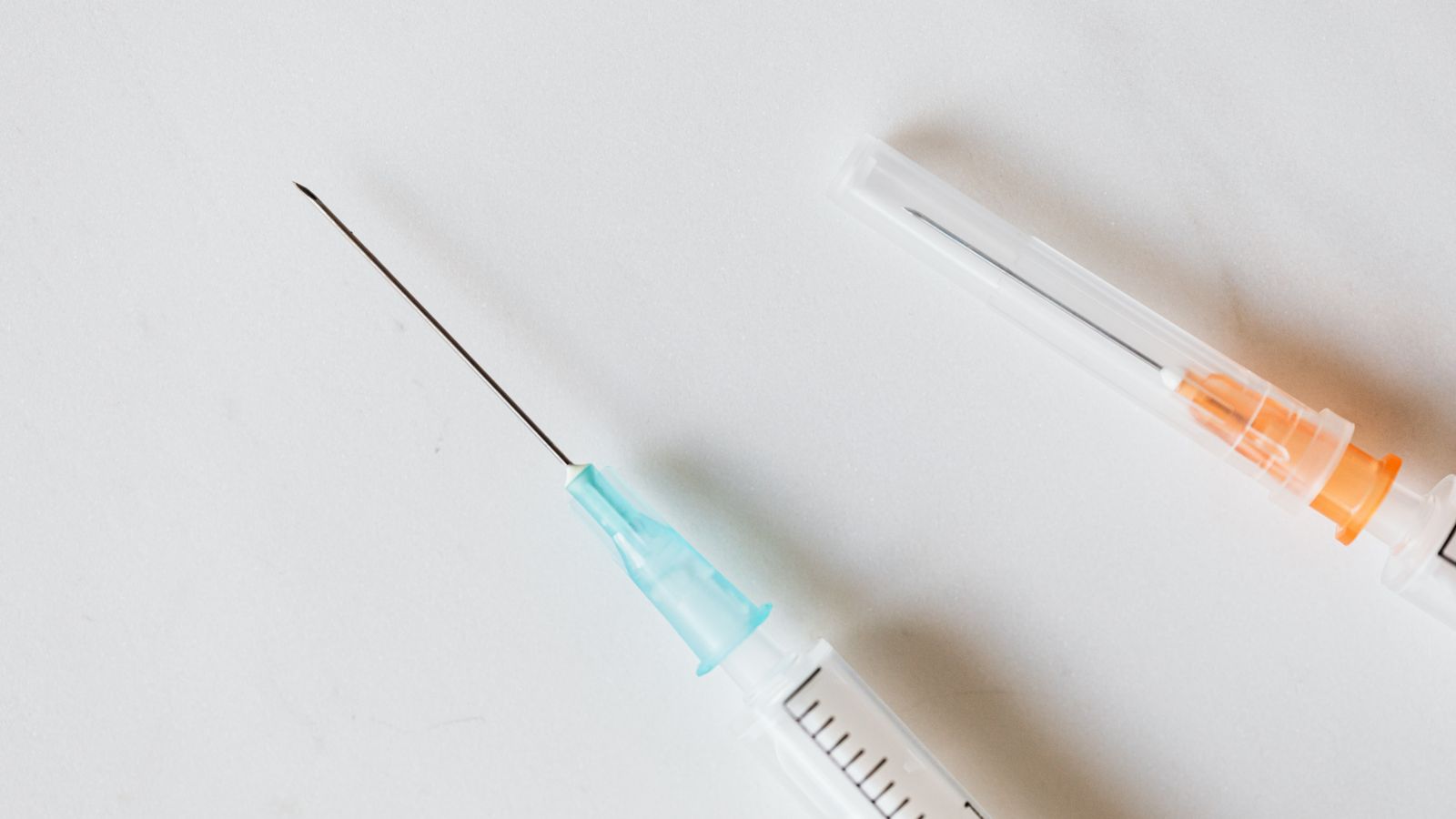
Retatrutide listings typically show two separate numbers on the same label or product page: a fill volume, expressed in milliliters, and a labeled peptide content, expressed in milligrams. These describe different properties of the vial. Fill volume tells a reader how much liquid or lyophilized material occupies the container. Labeled peptide content tells a reader how much retatrutide the manufacturer states is present in that container. Confusing the two, or assuming one implies the other, is a common source of misreading a specification sheet.
Why Fill Volume and Peptide Content Are Not the Same Figure
A vial’s fill volume describes the physical space the contents take up before reconstitution, or the volume of solution present if the product is sold pre-mixed. A lyophilized (freeze-dried) vial has no meaningful “volume” of peptide on its own — the powder occupies a fraction of the vial and its apparent size can vary between lots even when the labeled milligram content is identical. This is why reputable listings do not use fill volume as a stand-in for potency. The two numbers answer different questions: how much space, versus how much substance.
Labeled peptide content is the manufacturer’s stated quantity of retatrutide per vial, usually printed as a milligram figure (for example, 5 mg, 10 mg, or 20 mg). This number is what a certificate of analysis (COA) is meant to verify independently. A listing that states only a fill volume, without a milligram figure, has not actually disclosed peptide content at all — it has disclosed container size.
How Listings Typically Present Both Figures
Clear listings separate the two values explicitly rather than folding them into a single ambiguous line. A well-structured spec block looks something like this:
| Label field | What it describes | Example value |
|---|---|---|
| Vial fill volume | Physical volume in the vial (liquid or lyophilized powder space) | 2 mL vial |
| Labeled peptide content | Manufacturer-stated mg of retatrutide per vial | 10 mg |
| Reconstitution volume | Diluent volume a buyer adds, if not pre-mixed | 2 mL bacteriostatic water |
| Resulting concentration | mg divided by mL after reconstitution | 5 mg/mL |
Notice that “vial fill volume” and “reconstitution volume” can coincide numerically but are conceptually distinct fields. Fill volume is a property of the vial as shipped. Reconstitution volume is a variable the end user (in a research setting) controls when adding diluent, and it directly determines concentration.
Working Through the Concentration Math
Because listings often show mg content and a suggested diluent volume separately, calculating concentration is straightforward, and it is worth walking through once so the relationship between the two figures is clear.
Concentration is calculated as the labeled milligram content divided by the milliliters of bacteriostatic water added:
concentration (mg/mL) = vial mg ÷ mL of diluent added
Example: a vial labeled 10 mg is reconstituted with 2 mL of bacteriostatic water.
10 mg ÷ 2 mL = 5 mg/mL
Converting to micrograms for a per-unit reading: 5 mg/mL × 1000 mcg/mg = 5000 mcg/mL.
On a U-100 insulin syringe, where 1 mL equals 100 units, each unit drawn at this concentration corresponds to 5000 mcg ÷ 100 units = 50 mcg per unit. This figure changes any time either the labeled mg content or the diluent volume changes — it is not a fixed property of the compound, only of that specific combination. A listing that reports fill volume but omits the labeled mg content leaves this calculation impossible to complete, which is one reason careful buyers treat mg content as the field that actually matters for reconstitution planning.
Reading a Specification Sheet Without Conflating the Two
A specification sheet that separates fill volume from peptide content usually reflects a supplier that documents its vials methodically, since the distinction requires the manufacturer to report both the container detail and the assay-verified content rather than one number doing double duty. This kind of separation is one of several things worth checking when comparing how HEEZ Research documents its catalog, alongside COA batch-matching and testing methodology.
Some listings blur the distinction by printing only a volume (such as “2 mL vial”) without a corresponding milligram figure anywhere on the page. In that case, the actual peptide content is undocumented, even if the page looks complete at a glance. A reader checking a listing should look specifically for a milligram value tied to the vial, independent of whatever volume figure is also shown, and should treat the absence of a milligram figure as a gap in the specification rather than assume a “standard” content based on vial size alone.
Why This Distinction Matters for Comparing Listings
When comparing retatrutide listings across suppliers, fill volume is not a useful basis for comparison on its own, because two suppliers can use a 2 mL vial with entirely different labeled mg content, or the same mg content in different vial sizes. The only figures that are directly comparable across listings are the labeled peptide content and, where available, the COA-confirmed assay result for that specific batch. Fill volume matters mainly for practical handling — how much diluent a given vial can accommodate — not for judging potency or value.
Summary
Fill volume and labeled peptide content answer different questions on a retatrutide vial specification: one describes the container, the other describes the stated substance quantity inside it. Listings that report both clearly, and that tie the milligram figure to a matching COA, give a reader enough information to calculate concentration accurately. Listings that report only a volume, without a corresponding milligram figure, have left the more important number undocumented.
A note on how to read this
This article is written for research and educational reference. The materials described are sold for laboratory research and are not for human consumption. Nothing here is dosing guidance, a prescription, or a clinical recommendation.