Protecting Retatrutide From Light Exposure During Storage
How listings describe protecting retatrutide from light exposure during storage, why peptide vials ship amber, and what container and placement notes mean for records.
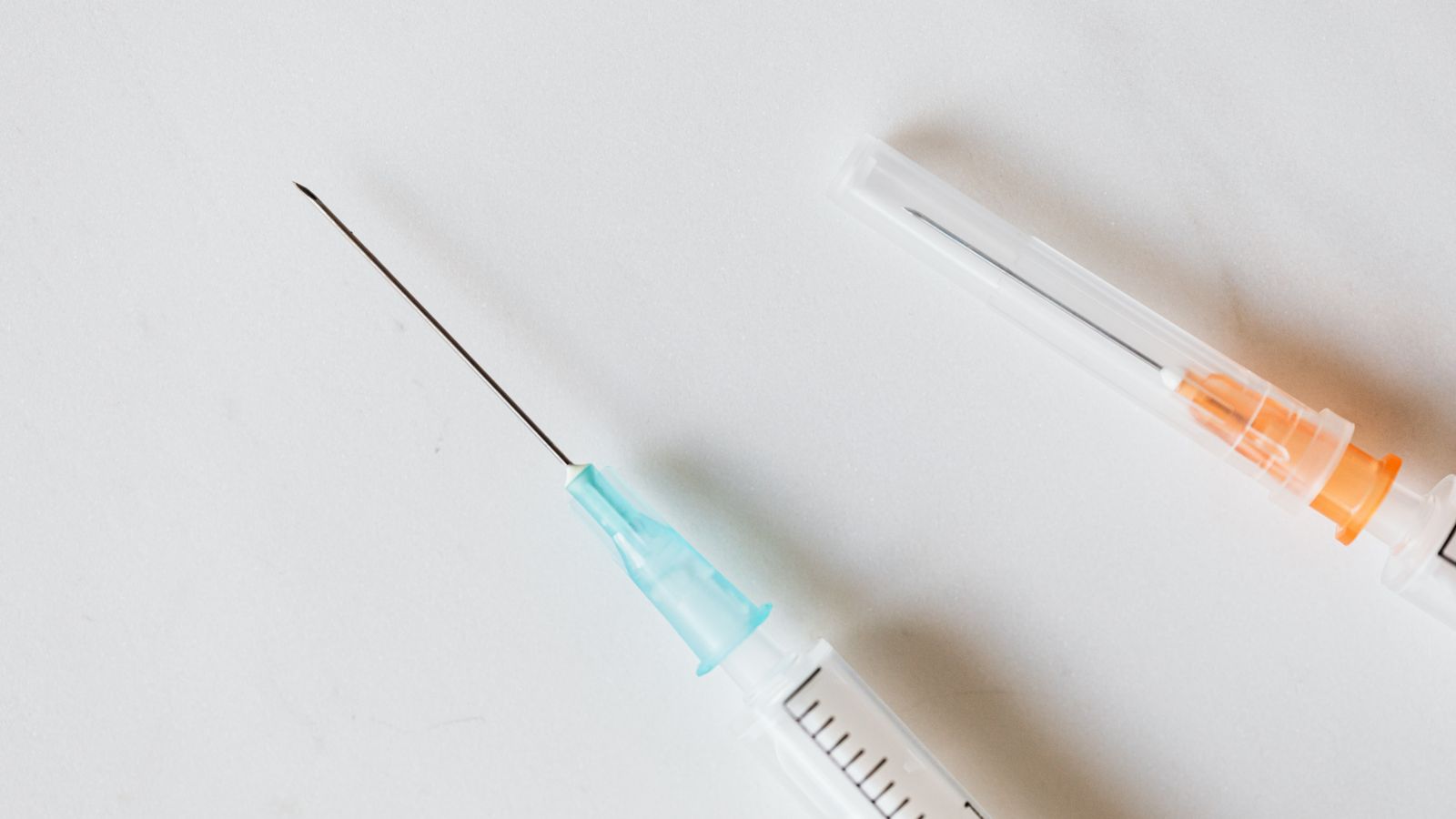
Protecting retatrutide from light exposure during storage means keeping the vial, and any reconstituted solution, out of direct and ambient light for as much of its shelf life as practical. Peptide compounds like retatrutide are large molecules held together by bonds that can be disrupted by photon energy, and manufacturers account for this in how they package, ship, and label these products. Understanding what “light protection” actually refers to helps explain why listings emphasize amber glass, opaque overwrap, and dark storage locations rather than treating those details as incidental packaging choices.
Why Light Exposure Matters for Peptides
Peptides are chains of amino acids connected by peptide bonds, and several of the amino acid side chains involved are chromophores — structures capable of absorbing light energy, particularly in the ultraviolet range. When that energy is absorbed, it can drive photodegradation: a general term for structural changes caused by light rather than heat or moisture. For a molecule like retatrutide, documented degradation pathways include oxidation of susceptible residues and changes to the three-dimensional folding that gives the peptide its identity on paper (its expected molecular weight and structure, as referenced in discussions of how the term is written and calculated).
This is distinct from heat-driven degradation, though the two often get discussed together in storage guidance. A vial can be kept at the correct refrigerated temperature and still be affected by cumulative light exposure if it sits on an open shelf under fluorescent lighting for extended periods. Listings that describe both a temperature range and a light-protection note are describing two separate variables, not restating the same instruction twice.
What “Light Protection” Looks Like in Practice
Retatrutide storage descriptions generally reference a combination of container choice and placement:
- Amber or opaque vials. Many suppliers ship retatrutide in amber-tinted glass, which filters a portion of the ultraviolet and visible spectrum before it reaches the solution inside. This is a passive, packaging-level form of protection rather than something the end user configures.
- Secondary packaging. Boxes, foil pouches, or opaque sleeves that vials ship in are also part of the light-protection design, not just cosmetic outer packaging. Listings that instruct keeping a vial “in its original box” are typically referring to this function.
- Storage location. Cabinets, drawers, and closed refrigerator compartments block ambient light far more effectively than an open shelf or a windowsill, independent of temperature.
- Handling duration. Time spent outside dark storage — during reconstitution, measurement, or transfer — is generally described as a variable to minimize, since even amber glass is a partial filter rather than a complete block.
| Light-protection element | What it addresses | Typical listing language |
|---|---|---|
| Amber/tinted vial glass | Passive filtering of UV and visible light | “Ships in amber glass” |
| Opaque outer box or pouch | Blocks ambient light during transit and shelf storage | “Store in original packaging” |
| Dark storage location | Reduces cumulative exposure during the storage period | “Keep away from direct light” |
| Minimized handling time | Limits exposure during reconstitution and use | “Avoid prolonged light exposure when preparing” |
How Light Protection Relates to Reconstitution
Once bacteriostatic water is added to lyophilized retatrutide, the peptide is in solution, and most handling guidance treats reconstituted solution as more sensitive to environmental factors than the freeze-dried powder was. This isn’t a claim about a specific rate of change — that would need sourced data this article doesn’t have — but it explains why listings that discuss reconstitution timing often mention light in the same breath as temperature.
A concrete example of why concentration bookkeeping matters here: if a listing states a 10 mg vial reconstituted with 2 mL of bacteriostatic water, the resulting concentration is 10 mg ÷ 2 mL = 5 mg/mL, which is 5,000 mcg/mL. On a U-100 insulin syringe, where 1 mL equals 100 units, each unit drawn represents 5,000 mcg ÷ 100 units = 50 mcg per unit. That math doesn’t change based on light exposure, but a record that tracks concentration accurately is also a record that makes it easier to note how long a given reconstituted vial has been in use — which is the same window during which light-protection guidance applies. Calculators such as peptcalc.com are sometimes referenced alongside these figures for cross-checking concentration math.
Reading Listings for Storage Terminology
Retatrutide listings vary in how explicitly they describe light protection. Some state it directly (“protect from light,” “store away from direct sunlight”), while others imply it through packaging description alone (amber vial, foil-lined box) without a separate sentence about light. Neither approach is inherently more or less accurate — the underlying packaging is what does the protective work, and the sentence is just documentation of it. When comparing listings across sites, it can help to check catalogue-level sourcing pages rather than relying on a single product description, and a broader catalogue such as the one at a HEEZ Research often documents handling notes more consistently across its full product range than a single-item listing does.
Cross-referencing terminology is also common practice within this documentation space. Peer retatrutide listing catalogs maintain their own reference notes on handling and storage language, and comparing how different listings phrase the same underlying packaging fact — amber glass, opaque secondary packaging, refrigeration — is a reasonable way to build a consistent mental model of what these instructions mean before treating any single listing as definitive.
What Listings Do Not Typically Specify
Most retatrutide listings do not provide a quantified light-exposure tolerance — for instance, a specific number of hours a vial can sit under ambient light before measurable degradation occurs. That figure would depend on light intensity, wavelength, distance, and exposure duration, none of which a generic product listing controls for. Where a listing lacks this specificity, it is describing a general precaution rather than omitting a number that should have been there. Treating “protect from light” as a qualitative instruction, similar to “keep refrigerated,” is more accurate than assuming a precise threshold exists but simply isn’t published.
Summary
Protecting retatrutide from light exposure during storage refers to a set of packaging and placement practices — amber or opaque vials, intact secondary packaging, dark storage locations, and minimized handling time — designed to reduce photodegradation of the peptide’s structure. This sits alongside, but is distinct from, temperature-based storage guidance, and listings that mention both are describing two separate variables that happen to share a storage window. Reading listing language with this distinction in mind makes it easier to compare how different sources document the same underlying handling considerations.
A note on how to read this
This article is written for research and educational reference. The materials described are sold for laboratory research and are not for human consumption. Nothing here is dosing guidance, a prescription, or a clinical recommendation.